|
|||
|
Today's parents are constantly pressured to be perfect. But in striving to do everything right, we risk missing what children really need for lifelong emotional security. Now the simple, powerful "Circle of Security" parenting strategies that Kent Hoffman, Glen Cooper, and Bert Powell have taught thousands of families are available in self-help form for the first time.  You will learn:  *How to balance nurturing and protectiveness with promoting your child's independence.  *What emotional needs a toddler or older child may be expressing through difficult behavior. *How your own upbringing affects your parenting style--and what you can do about it.  Filled with vivid stories and unique practical tools, this book puts the keys to healthy attachment within everyone's reach--self-understanding, flexibility, and the willingness to make and learn from mistakes. Self-assessment checklists can be downloaded and printed for ease of use. |

|
|||
|
Like many women, Clare Pooley found the juggle of a stressful career and family life a struggle so she left her successful role as a Managing Partner in one of the world's biggest advertising agencies to look after her family. She knew the change wouldn't be easy but she never expected to find herself an overweight, depressed, middle-aged mother of three who was drinking more than a bottle of wine a day, and spending her evenings Googling 'Am I an alcoholic?' This book is the bravely honest story of a year in Clare's life. A year that started with her quitting booze and then being given the devastating diagnosis of breast cancer. By the end of the year she is booze-free and cancer-free, she no longer has a wine belly, is two stone lighter and with a life that is so much richer, healthier and more rewarding than ever before. She has a happier family and a more positive outlook. Sober Diaries is an upbeat, funny and positive look at how to live life to the full. Interwoven within Clare's own very personal and brilliantly comic story is research and advice as she discovers the answers to questions like: How do I know if I'm drinking too much? How will I cope at parties? What do I say to friends and family? How do I cope with cravings? If I stop drinking will I lose weight? What if my partner still drinks? And many more. |
|
|||
|
We can not raise a happy child if we are constantly screaming threats at them. No parent sets out to hurt their child, but this type of parenting does just that. To raise a happy child that wants to behave, you need to retrain yourself first. You need to change the way you think and react to their behavior. You need to understand your triggers and heal yourself. Only then you can begin to heal your relationship with your children. Making the decision to be a positive parent will benefit your whole family. You will find that your children want to behave and follow your rules. You will be less stressed out by the end of the day. Your house will not feel like a battle zone. Instead, you can create a home full of peace and love for the whole family. This book will show you why strict and permissive parenting do not work. You will learn just how easy it is to embrace a positive parenting style. While learning how to be a positive parent, you will not only heal the relationship with your children but heal yourself along the way. |
|
|||
|
Stop the yelling, lose the guilt, and become a calmer, happier parent.   Drawing on evidence-based practices, here is an insight-packed and tip-filled plan for how to stop the parental meltdowns. Its compassionate, pragmatic approach will help readers feel less ashamed and more empowered to get their, ahem, act together instead of losing it.   “Using a powerful combination of humor and reality checks, Naumburg helps parents unpack their unique stressors (we all have them) and find ways to stay calm even the most frustrating of family moments.” —Katie Hurley, LCSW, author of No More Mean Girls and The Happy Kid Handbook   “By the end not only are you laughing out loud, but you’ve gained a sense of self-compassion and a concrete action plan.”—Rebecca Schrag Hershberg, PhD, author of The Tantrum Survival Guide       |
|
|||
|
Suzy Giordano, affectionately known as "The Baby Coach," shares her highly effective sleep-training method in this step-by-step guide to let both baby and parent enjoy long, peaceful nights. Full of common sense and specific tips, the Baby Coach's plan offers time- and family-tested techniques to help any baby up to the age of 18 months who has trouble sleeping through the night. Originally developed for newborn multiples, this sleep-training method worked so well with twins and triplets that families with singletons and older babies began asking Suzy to share her recipe for success, resulting in: regular feeding times; 12 hours' sleep at night; three hours' sleep during the day; peace of mind for parent and baby; and less strain on parents - and their marriage. This edition includes a new chapter on implementing the program with babies up to 18 months. |

|
|||
|
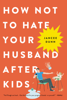
"Get this for your pregnant friends, or yourself" ( People ): a hilariously candid account of one woman's quest to bring her post-baby marriage back from the brink, with life-changing, real-world advice. Recommended by Nicole Cliffe in Slate Featured in People PicksA Red Tricycle Best Baby and Toddler Parenting Book of the YearOne of Mother magazine's favorite parenting books of the Year How Not To Hate Your Husband After Kids tackles the last taboo subject of parenthood: the startling, white-hot fury that new (and not-so-new) mothers often have for their mates. After Jancee Dunn had her baby, she found that she was doing virtually all the household chores, even though she and her husband worked equal hours. She asked herself: How did I become the 'expert' at changing a diaper? Many expectant parents spend weeks researching the best crib or safest car seat, but spend little if any time thinking about the titanic impact the baby will have on their marriage - and the way their marriage will affect their child. Enter Dunn, her well-meaning but blithely unhelpful husband, their daughter, and her boisterous extended family, who show us the ways in which outmoded family patterns and traditions thwart the overworked, overloaded parents of today. On the brink of marital Armageddon, Dunn plunges into the latest relationship research, solicits the counsel of the country's most renowned couples' and sex therapists, canvasses fellow parents, and even consults an FBI hostage negotiator on how to effectively contain an "explosive situation." Instead of having the same fights over and over, Dunn and her husband must figure out a way to resolve their larger issues and fix their family while there is still time. As they discover, adding a demanding new person to your relationship means you have to reevaluate -- and rebuild -- your marriage. In an exhilarating twist, they work together to save the day, happily returning to the kind of peaceful life they previously thought was the sole province of couples without children. Part memoir, part self-help book with actionable and achievable advice, How Not To Hate Your Husband After Kids is an eye-opening look at how the man who got you into this position in this first place is the ally you didn't know you had. |
|
|||
|
As his six children slept on the dirty floor of a women's restroom while a blizzard howled outside, Ben Crawford had one thought: Have I gone too far? The next morning, Child Protective Services, along with an armed sheriff, arrived to ask the same question. 2,000 Miles Together is the story of the largest family ever to complete a thru-hike of the Appalachian Trail, defying skeptics and finding friends in the unlikeliest of places. On the trail, Ben Crawford battled not only the many dangers and obstacles presented by the wilderness—snowstorms, record-breaking heat, Lyme disease, overflowing rivers, toothaches, rattlesnakes, forest fires, and spending the night with a cult—but also his own self-doubt. In an effort to bring his family closer together, was he jeopardizing his future relationship with his kids? When the hike was done, would any of them speak to him again? The Crawford family's self-discovery over five months, thousands of miles, and countless gummy bears proves that there's more than one way to experience life to the fullest. You don't have to accept the story you've been shown. By leaving home, you'll find more than just adventure--you'll find a new perspective on the relationships we often take for granted, and open yourself up to a level of connection you never thought possible. |

|
|||
|
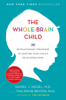
NEW YORK TIMES  BESTSELLER • The authors of  No-Drama Discipline and The Yes Brain  explain the new science of how a child’s brain is wired and how it matures in this pioneering, practical book.   “Simple, smart, and effective solutions to your child’s struggles.”—Harvey Karp, M.D.   In this pioneering, practical book, Daniel J. Siegel, neuropsychiatrist and author of the bestselling Mindsight , and parenting expert Tina Payne Bryson offer a revolutionary approach to child rearing with twelve key strategies that foster healthy brain development, leading to calmer, happier children. The authors explain—and make accessible—the new science of how a child’s brain is wired and how it matures. The “upstairs brain,” which makes decisions and balances emotions, is under construction until the mid-twenties. And especially in young children, the right brain and its emotions tend to rule over the logic of the left brain. No wonder kids throw tantrums, fight, or sulk in silence. By applying these discoveries to everyday parenting, you can turn any outburst, argument, or fear into a chance to integrate your child’s brain and foster vital growth.               Complete with age-appropriate strategies for dealing with day-to-day struggles and illustrations that will help you explain these concepts to your child, The Whole-Brain Child shows you how to cultivate healthy emotional and intellectual development so that your children can lead balanced, meaningful, and connected lives.   “[A] useful child-rearing resource for the entire family . . . The authors include a fair amount of brain science, but they present it for both adult and child audiences.” —Kirkus Reviews   “Strategies for getting a youngster to chill out [with] compassion.” —The Washington Post   “This erudite, tender, and funny book is filled with fresh ideas based on the latest neuroscience research. I urge all parents who want kind, happy, and emotionally healthy kids to read The Whole-Brain Child . This is my new baby gift.”—Mary Pipher, Ph.D., author of Reviving Ophelia and The Shelter of Each Other “Gives parents and teachers ideas to get all parts of a healthy child’s brain working together.” —Parent to Parent |
|
|||
|
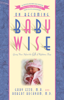
With over 3 million books in print On Becoming Baby Wise continues to gain international recognition for its immensely sensible approach to parenting a newborn. Now in its 18th year of continuous print runs, and translated into 18 languages, the infant management plan offered by Gary Ezzo and Dr. Robert Bucknam successfully and naturally helps infants synchronize their feeding time, waketime and nighttime cycles. The results? Happy, healthy and contented newborn babies who sleep through the night on average between seven and nine weeks of age. The infant management concepts bring hope to the tired and bewildered parents looking for an alternative to sleepless nights and fussy babies.  The Babywise Parent Directed Feeding concept has enough structure to bring security and order to your baby's world, yet enough flexibility to give mom freedom to respond to any need at any time. It teaches parents how to lovingly guide their baby's day rather than be guided or enslaved to the infant's unknown needs. Comprehensive breast-feeding follow-up surveys spanning three countries, of mothers using the PDF method verify that as a result of the PDF concepts, 88% breast-feed, compared to the national average of only 54% (from the National Center for Health Statistics). Of these breast-feeding mothers, 80% of them breast-feed exclusively without a formula complement. And while 70% of our mothers are still breast-feeding after six months, the national average encourage to follow demand feeding without any guidelines is only 20%. The mean average time of breast-feeding for PDF moms is 33 1/2 weeks, well above the national average. Over 50% of PDF mothers extend their breast-feeding toward and well into the first year. Added to these statistics is another critical factor. The average breast-fed PDF baby sleeps continuously through night seven to eight hours between weeks seven and nine.  Healthy sleep in infants is analogous to healthy growth and development. Find out for yourself why a world of parents and pediatricians utilize the concepts found in On Becoming Babywise. |
|
|||
|
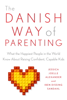
International bestseller As seen in The Wall Street Journal --from free play to cozy together time, discover the parenting secrets of the happiest people in the world What makes Denmark the happiest country in the world--and how do Danish parents raise happy, confident, successful kids, year after year? This upbeat and practical book presents six essential principles, which spell out P-A-R-E-N-T: P lay is essential for development and well-being. A uthenticity fosters trust and an "inner compass." R eframing helps kids cope with setbacks and look on the bright side. E mpathy allows us to act with kindness toward others. N o ultimatums means no power struggles, lines in the sand, or resentment. T ogetherness is a way to celebrate family time, on special occasions and every day. The Danes call this hygge --and it's a fun, cozy way to foster closeness. Preparing meals together, playing favorite games, and sharing other family traditions are all hygge. (Cell phones, bickering, and complaining are not!) With illuminating examples and simple yet powerful advice, The Danish Way of Parenting will help parents from all walks of life raise the happiest, most well-adjusted kids in the world. |
|
|||
|
*Finalist for Best Overall Non-Fiction and Best Parenting & Family Book in the 2020 International Book Awards!* What to Say to Kids When Nothing Seems to Work offers parents an effective, step-by-step guide to some of the most common struggles for kids aged 5–12. Written by mental health professionals with over 30 years’ experience listening to kids’ thoughts and feelings, this book provides a framework to explore new ways of responding to your child that will help them calm down faster and boost their resilience to stress. With a dose of humor and plenty of real-life examples, the authors will guide you to "build a bridge" into your child’s world to make sense of their emotions and behavior. Sample scenarios and scripts are provided for you to customize based on your caregiving style and your child’s personality. These are then followed by concrete support strategies to help you manage current and future situations in a way that leaves everyone feeling better. Chapters are organized by common kid-related issues so you can quickly find what’s relevant to you. Suitable for parents, grandparents, and other caregivers of children and pre-teens, as well as professionals working closely with families, What to Say to Kids When Nothing Seems to Work is an accessible resource for efficiently navigating the twists, turns, and sometimes total chaos of life with kids. |
|
|||
|
Teenagers reimagines the way people think about adolescents. No longer society's scourge and scapegoat, the teenager emerges from David Bainbridge 's fascinating study as an awe-inspiring natural phenomenon that evokes reverence and wonder. Bainbridge, a veterinarian and anatomist, suggests that the second decade is the most important in the human lifecycle. In lively prose, he explains the science behind the changes that occur both on the surface of the teenage body and deep within the teenage brain, from lanky limbs and bad skin to falling in love, sleeping till noon, and the irresistible allure of sex, drugs, and rock‘n’roll. Observed through a scientific lens, these bizarre biological transformations and behavioral anomalies snap into focus, as not only a beautifully choreographed sequence of steps on the path to adulthood, but also as a key evolutionary factor in the success of the species. |
|
|||
|
NEW YORK TIMES  BESTSELLER • The pioneering experts behind The Whole-Brain Child and The Yes Brain tackle the ultimate parenting challenge: discipline.   “A lot of fascinating insights . . . an eye-opener worth reading.”— Parents Highlighting the fascinating link between a child’s neurological development and the way a parent reacts to misbehavior, No-Drama Discipline provides an effective, compassionate road map for dealing with tantrums, tensions, and tears—without causing a scene.   Defining the true meaning of the “d” word (to instruct, not to shout or reprimand), the authors explain how to reach your child, redirect emotions, and turn a meltdown into an opportunity for growth. By doing so, the cycle of negative behavior (and punishment) is essentially brought to a halt, as problem solving becomes a win/win situation. Inside this sanity-saving guide you’ll discover   • strategies that help parents identify their own discipline philosophy—and master the best methods to communicate the lessons they are trying to impart • facts on child brain development—and what kind of discipline is most appropriate and constructive at all ages and stages • the way to calmly and lovingly connect with a child—no matter how extreme the behavior—while still setting clear and consistent limits • tips for navigating your child through a tantrum to achieve insight, empathy, and repair • twenty discipline mistakes even the best parents make—and how to stay focused on the principles of whole-brain parenting and discipline techniques   Complete with candid stories and playful illustrations that bring the authors’ suggestions to life, No-Drama Discipline shows you how to work with your child’s developing mind, peacefully resolve conflicts, and inspire happiness and strengthen resilience in everyone in the family. Praise for No-Drama Discipline   “With lucid, engaging prose accompanied by cartoon illustrations, Siegel and Bryson help parents teach and communicate more effectively.” — Publishers Weekly “Wow! This book grabbed me from the very first page and did not let go.” —Lawrence J. Cohen, Ph.D., author of The Opposite of Worry |
|
|||
|
A psychologist with a reputation for penetrating to the heart of complex parenting issues joins forces with a physician and bestselling author to tackle one of the most disturbing and misunderstood trends of our time -- peers replacing parents in the lives of our children. Dr. Neufeld has dubbed this phenomenon peer orientation, which refers to the tendency of children and youth to look to their peers for direction: for a sense of right and wrong, for values, identity and codes of behaviour. But peer orientation undermines family cohesion, poisons the school atmosphere, and fosters an aggressively hostile and sexualized youth culture. It provides a powerful explanation for schoolyard bullying and youth violence; its effects are painfully evident in the context of teenage gangs and criminal activity, in tragedies such as in Littleton, Colorado; Tabor, Alberta and Victoria, B.C. It is an escalating trend that has never been adequately described or contested until Hold On to Your Kids . Once understood, it becomes self-evident -- as do the solutions. Hold On to Your Kids will restore parenting to its natural intuitive basis and the parent-child relationship to its rightful preeminence. The concepts, principles and practical advice contained in Hold On to Your Kids will empower parents to satisfy their children’s inborn need to find direction by turning towards a source of authority, contact and warmth. Something has changed. One can sense it, one can feel it, just not find the words for it. Children are not quite the same as we remember being. They seem less likely to take their cues from adults, less inclined to please those in charge, less afraid of getting into trouble. Parenting, too, seems to have changed. Our parents seemed more confident, more certain of themselves and had more impact on us, for better or for worse. For many, parenting does not feel natural. Adults through the ages have complained about children being less respectful of their elders and more difficult to manage than preceding generations, but could it be that this time it is for real? -- from Hold On to Your Kids |
|
|||
|
The ultimate “parenting bible” ( The Boston Globe ) with a new foreword—and available as an ebook for the first time—a timeless, beloved book on how to effectively communicate with your child from the #1 New York Times bestselling authors. Internationally acclaimed experts on communication between parents and children, Adele Faber and Elaine Mazlish “are doing for parenting today what Dr. Spock did for our generation” ( Parent Magazine ).  Now, this bestselling classic includes fresh insights and suggestions as well as the author’s time-tested methods to solve common problems and build foundations for lasting relationships, including innovative ways to: ·      Cope with your child's negative feelings, such as frustration, anger, and disappointment ·      Express your strong feelings without being hurtful ·      Engage your child's willing cooperation ·      Set firm limits and maintain goodwill ·      Use alternatives to punishment that promote self-discipline ·      Understand the difference between helpful and unhelpful praise ·      Resolve family conflicts peacefully Enthusiastically praised by parents and professionals around the world, the down-to-earth, respectful approach of Faber and Mazlish makes relationships with children of all ages less stressful and more rewarding.  |

|
|||
|
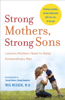
A timely and empowering book featuring “solid, practical advice for women on how to properly nurture their sons” ( Kirkus Reviews ).   From the moment a mother holds her newborn son, his eyes tell her that she is his world. But often, as he grows up, the boy who needs her simultaneously pushes her away. Calling upon thirty years of experience as a pediatrician, Meg Meeker, M.D., a highly sought after national speaker, assistant professor of clinical medicine, and mother of four, shares the secrets that every mother needs to know in order to strengthen—or rebuild—her relationship with her son.   Boys today face unique challenges and pressures, and the burden on mothers to guide their boys through them can feel overwhelming. This empowering book offers a road map to help mothers find the strength and confidence to raise extraordinary sons by providing encouragement, education, and practical advice about   • the need for mothers to exercise courage and be bolder and more confident about advising and directing their boys • the crucial role mothers play in expressing love to sons in healthy ways so they learn to respect and appreciate women as they grow up • the importance of teaching sons about the values of hard work, community service, and a well-developed inner life • the natural traps mothers of boys often fall into—and how to avoid them • the need for a mother to heal her own wounds with the men in her life so she can raise her son without baggage and limitations • the best ways to survive the moments when the going gets tough and a mom’s natural ways of communicating—talking, analyzing, exploring—only fuel the fire   When a mother holds her baby boy for the first time, she also instinctively knows something else: If she does her job right and raises her son with self-esteem, support, and wisdom, he will become the man she knows he was meant to be. |
|
|||
|
This set includes The 5 Love Languages of Children and The 5 Love Languages of Teenagers . In The 5 Love Languages of Children, the author examines the different languages your children speak. Sometimes they wager for your attention, and other times they ignore you completely. Sometimes they are filled with gratitude and affection, and other times they seem totally indifferent. Attitude. Behavior. Development. Everything depends on the love relationship between you and your child. When children feel loved, they do their best. But how can you make sure your child feels loved? Since 1992, Dr. Gary Chapman's best-selling book The Five Love Languages has helped more than 300,000 couples develop stronger, more fulfilling relationships by teaching them to speak each others love language. Each child, too, expresses and receives love through one of five different communication styles. And your love language may be totally different from that of your child. While you are doing all you can to show your child love, he may be hearing it as something completely opposite.Discover your child's primary language and learn what you can do to effectively convey unconditional feelings of respect, affection, and commitment that will resonate in your child's emotions and behavior. In The 5 Love Languages of Teenagers , Dr. Gary Chapman explores the world in which teenagers live; explains the developmental changes; and give tools to help you identify and appropriately communicate in your teens love language. Socially, mentally, and spiritually teenagers face a variety of pressures and stresses each day. Despite these peer pressures; it is still parents who can influence teens the most. Are you equipped to love your teenager effectively? Get practical tips on loving your teen effectively and explore key issues in your teen’s life including anger and independence. Finally learn how to set boundaries that are enforced with discipline and consequences, and discover useful ways for the difficult task of loving when your teen fails. Get ready to discover how the principles of the five love languages can really work in the lives of your teens and family. Over 400,000 copies sold! |

|
|||
|
Becoming a mother is rarely what you expect. Jane Roper never expected she'd have twins—or that they'd be such a spirited twosome. She didn't expect that finding the right balance of work and home would be so tricky. And she certainly didn't expect she'd grapple with a diagnosis of bipolar disorder during her daughters' toddler years. But she also didn't anticipate just how much joy, laughter and self-discovery motherhood would bring. Full of warmth, honesty, occasional advice, and a generous helping of humor, Double Time is a smart and engaging account of the first three years with multiples and a refreshingly candid and vulnerable look at clinical depression. It's a memoir that will resonate countless women—especially those parenting in double time. |

|
|||
|
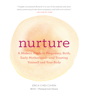
Nurture is the only all-in-one pregnancy and birthing book for modern mothers-to-be and their partners who want a more integrative approach. Author Erica Chidi Cohen has assisted countless births and helped hundreds of families ease into their new roles through her work as a doula. This beautiful and comprehensive pregnancy companion covers everything from the beginning months of pregnancy to the baby's first weeks. Including supportive and encouraging self-care and mindfulness exercises along with more than 40 charming and helpful illustrations, here's everything a modern mama would want to know: fetal development, nutrition support for every month of pregnancy, making birth choices, the basics of breastfeeding, and more. |
|
|||
|
Alfie Kohn’s landmark challenge to carrot-and-stick psychology, featuring updated reflections and research in a major new afterword by the author   Our basic strategy for raising children, teaching students, and managing workers can be summed up in six words: Do this and you’ll get that. We dangle goodies (from candy bars to sales commissions) in front of people in the same way that we train the family pet.             Since its publication in 1993, this groundbreaking book has persuaded countless parents, teachers, and managers that attempts to manipulate people with incentives may seem to work in the short run, but they ultimately fail and even do lasting harm. Drawing from hundreds of studies, Kohn demonstrates that we actually do inferior work when we are enticed with money, grades, or other incentives—and are apt to lose interest in whatever we were bribed to do.             Promising goodies to children for good behavior, meanwhile, can never produce anything more than temporary obedience. Even praise can become a verbal bribe that gets kids hooked on our approval.             Rewards and punishments are two sides of the same coin—and the coin doesn’t buy much. What is needed, Kohn explains, is an alternative to both ways of controlling people. Hence, he offers practical strategies for parents, teachers, and managers to replace carrots and sticks. Seasoned with humor and familiar examples, Punished by Rewards presents an argument that is unsettling to hear but impossible to dismiss.   |

|
|||
|
Written by the UK's number one parenting counsellor, Be a Great Step Parent: Teach Yourself is a practical guide to coping with the many issues faced by the blended family and deriving a positive relationship with your family members. It is full of straightforward and easy-to-follow advice that anyone can act on, with plenty of emotional support for you in times of need. It covers not just all the members of the family involved directly, but also such knock-on issues as grandparents and access. With help for children of all ages, mums and dads, it takes a step-by-step approach to the subject, covering everything from the earliest days of a new relationship to the issues raised by a new baby, with sensible information on finances and schools, and suggestions for stress-free holidays. NOT GOT MUCH TIME? One, five and ten-minute introductions to key principles to get you started. AUTHOR INSIGHTS Lots of instant help with common problems and quick tips for success, based on the authors' many years of experience. TEST YOURSELF Tests in the book and online to keep track of your progress. EXTEND YOUR KNOWLEDGE Extra online articles at www.teachyourself.com to give you a richer understanding of PC care. THINGS TO REMEMBER Quick refreshers to help you remember the key facts. |

|
|||
|
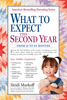
The complete why, when, and how-to guide for parenting a one-year-old. When will my 13-month-old start to walk?Shouldn’t my 14-month-old be talking already?How can I  get my picky eater to pick something besides pasta?Sure, I can ignore a tantrum at home—but what am I supposed to do in the middle of the mall?Why does my toddler have such a hard time sharing? Taking turns? Playing nicely?When should we break the bottle habit . . . and what about the pacifier?How do I get my  almost-two-year-old to settle down for bed—and stay asleep all night?Just in time for those first steps, here’s the next step in What to Expect. Picking up the action at baby’s first birthday, What to Expect the Second Year is the complete guide to the “wonder year”—twelve jam-packed months of amazing milestones, lightning-speed learning, and endless discoveries. Filled with must-have information on everything from feeding (tips to tempt picky palates) to sleep (how to get more of it), talking (decoding those first words) to behavior (defusing those first tantrums). Plus, how to keep your busy one-year-old safe and healthy. |
|
|||
|
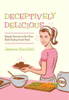
It has become common knowledge that childhood obesity rates are increasing every year. But the rates continue to rise. And between busy work schedules and the inconvenient truth that kids simply refuse to eat vegetables and other healthy foods, how can average parents ensure their kids are getting the proper nutrition and avoiding bad eating habits? As a mother of three, Jessica Seinfeld can speak for all parents who struggle to feed their kids right and deal nightly with dinnertime fiascos. As she wages a personal war against sugars, packaged foods, and other nutritional saboteurs, she offers appetizing alternatives for parents who find themselves succumbing to the fastest and easiest (and least healthy) choices available to them. Her modus operandi? Her book is filled with traditional recipes that kids love, except they're stealthily packed with veggies hidden in them so kids don't even know! With the help of a nutritionist and a professional chef, Seinfeld has developed a month's worth of meals for kids of all ages that includes, for example, pureed cauliflower in mac and cheese, and kale in spaghetti and meatballs. She also provides revealing and humorous personal anecdotes, tear–out shopping guides to help parents zoom through the supermarket, and tips on how to deal with the kid that "must have" the latest sugar bomb cereal. But this book also contains much more than recipes and tips. By solving problems on a practical level for parents, Seinfeld addresses the big picture issues that surround childhood obesity and its long–term (and ruinous) effects on the body. With the help of a prominent nutritionist, her book provides parents with an arsenal of information related to kids' nutrition so parents understand why it's important to throw in a little avocado puree into their quesadillas. She discusses the critical importance of portion size, and the specific elements kids simply must have (as opposed to adults) in order to flourish now and in the future: protein, calcium, vitamins, and Omega 3 and 6 fats. Jessica Seinfeld's book is practical, easy–to–read, and a godsend for any parent that wants their kids to be healthy for a long time to come. |
|
|||
|
More than 1 million sold! You know you love your child. But how can you make sure your child knows it? The #1 New York Times bestselling The 5 Love Languages® has helped millions of couples learn the secret to building a love that lasts. Now discover how to speak your child’s love language in a way that he or she understands. Dr. Gary Chapman and Dr. Ross Campbell help you: • Discover your child’s love language • Assist your child in successful learning • Use the love languages to correct and discipline more effectively • Build a foundation of unconditional love for your child Plus: Find dozens of tips for practical ways to speak your child’s love language. Discover your child's primary language—then speak it—and you will be well on your way to a stronger relationship with your flourishing child. For a free online study guide, visit 5lovelanguages.com. |
|
|||
|
Everything a new parent needs to know about their baby’s 10 magical “leaps”—and when to expect them—in a new, modern sixth edition of The Wonder Weeks The Wonder Weeks answers the question, “Why is my baby cranky, clingy, and crying?” with helpful guidance. Maybe they’re experiencing a leap in brain development, after which new skills are mastered, discoveries are made, and perceptions evolve. Fussy behavior might signal that great progress is underway! Better yet, these phases occur on similar schedules for most babies—as explained and mapped out in this book—so parents can anticipate the “stormy weeks” that precede the “sunny weeks.” Based on decades of research, this fully revised sixth edition covers the first 20 months of a baby’s life and includes: The top 10 things to know and remember about a leap Fun games to support brain development Fill-in-the-blank checklists to help better understand personality and behavior traits Science-based explanations about sleep Fresh insight and recent commentary from new parents who’ve used The Wonder Weeks Anchor moments to keep new parents sane, especially when they are exhausted and discouraged With 2 million+ books sold, and 4 million+ downloads of the corresponding app, The Wonder Weeks has struck a chord. Join the phenomenon that has been embraced by celebrities, social media influencers, and parents worldwide. |